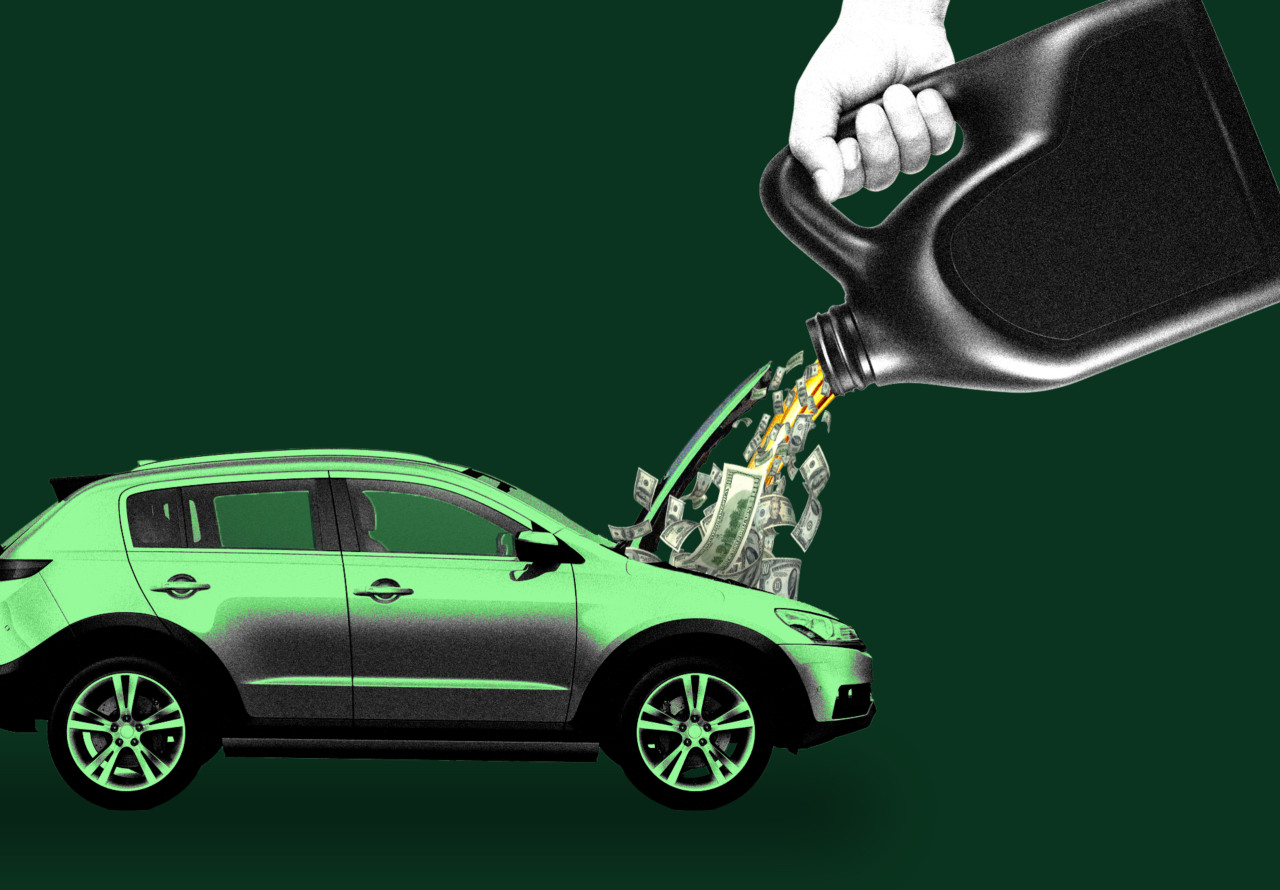
Buckle up for $120 oil changes. Why car care is about to get more expensive.
Drivers are in a jam. But skipping and delaying maintenance may mean bigger repairs later.
Editorial perspective
AI-assisted
Rising maintenance costs present consumers with an uncomfortable choice between immediate financial pain and potentially catastrophic future expenses. The automotive service industry faces mounting pressure from several directions: supply chain disruptions have elevated parts prices, labor shortages drive up technician wages, and increasingly complex vehicle systems require specialized equipment and training. Electric vehicles, while marketed as lower-maintenance, demand different expertise and battery-related services that command premium pricing.
This squeeze arrives as household budgets already strain under broader inflation. The temptation to defer oil changes, brake service, and tire rotations is understandable but economically shortsighted—a skipped $120 oil change can precipitate engine damage costing thousands. For automakers and financial institutions with exposure to auto loans, this creates secondary risks: poorly maintained vehicles deteriorate faster, potentially leaving borrowers underwater on depreciating assets. Investors in automotive aftermarket retailers and service chains should monitor whether consumers trade down to DIY solutions or cheaper alternatives.
Originally reported by Andrew Keshner
for MarketWatch
Processing your unsubscribe…
Hang on a moment.
You've been unsubscribed.
You won't receive any more marketing messages from BlastiqTest3422. Updates take effect within 24 hours.
That link has expired.
The unsubscribe link is no longer valid. You can opt out manually instead.
Editorial perspective
AI-assistedRising maintenance costs present consumers with an uncomfortable choice between immediate financial pain and potentially catastrophic future expenses. The automotive service industry faces mounting pressure from several directions: supply chain disruptions have elevated parts prices, labor shortages drive up technician wages, and increasingly complex vehicle systems require specialized equipment and training. Electric vehicles, while marketed as lower-maintenance, demand different expertise and battery-related services that command premium pricing.
This squeeze arrives as household budgets already strain under broader inflation. The temptation to defer oil changes, brake service, and tire rotations is understandable but economically shortsighted—a skipped $120 oil change can precipitate engine damage costing thousands. For automakers and financial institutions with exposure to auto loans, this creates secondary risks: poorly maintained vehicles deteriorate faster, potentially leaving borrowers underwater on depreciating assets. Investors in automotive aftermarket retailers and service chains should monitor whether consumers trade down to DIY solutions or cheaper alternatives.