Home Depot says its sales are healthy, but here’s where customers are holding back
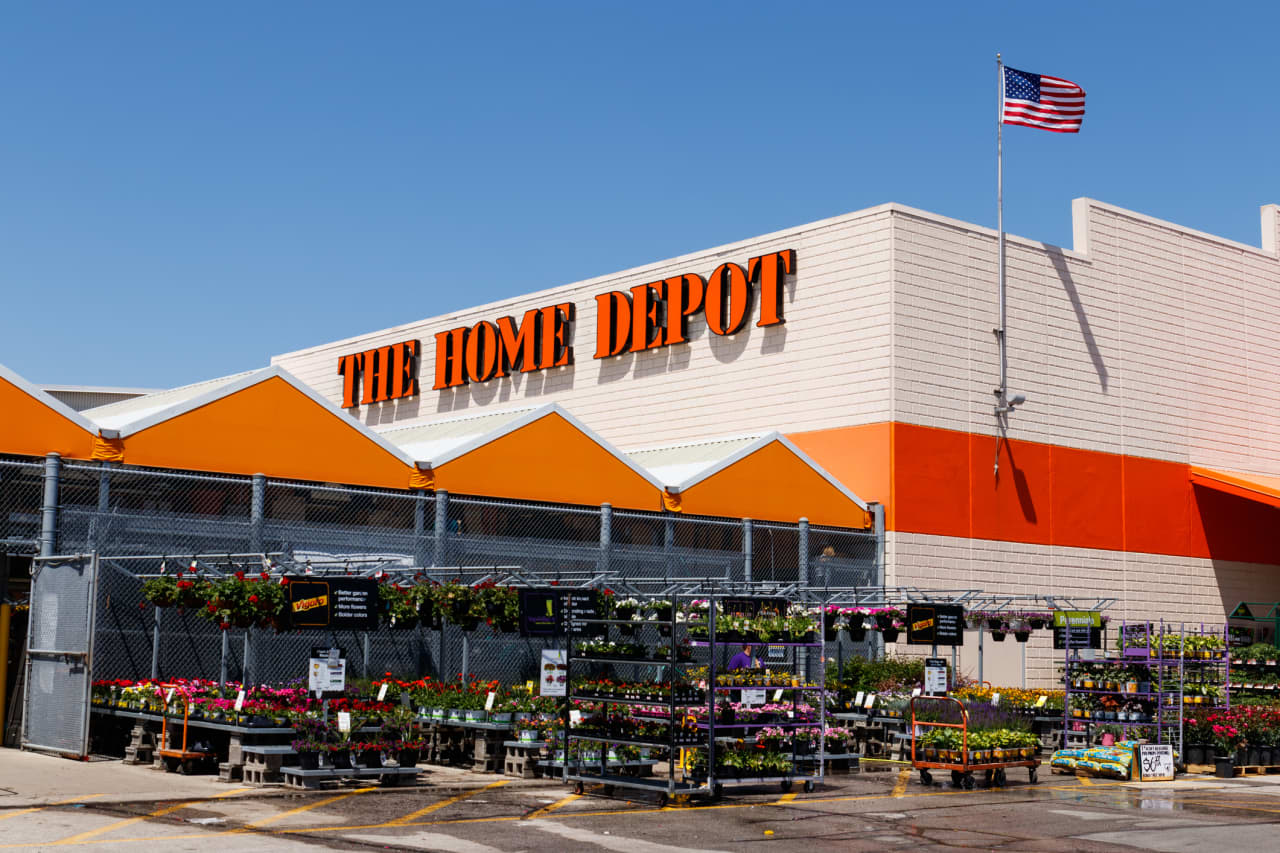
Shares of Home Depot crept higher on Tuesday after the home- improvement giant kept its full-year outlook intact — a relief for investors worried that higher gasoline prices due to the Iran war would further crimp consumer spending.
Editorial perspective
AI-assisted
Home Depot's steady guidance offers a valuable window into consumer behavior under economic stress. The company's ability to maintain forecasts suggests that essential home maintenance and repair spending remains resilient, even as discretionary purchases weaken. This bifurcation matters because it reveals where households draw the line when budgets tighten: fixing a broken furnace stays on the list, while kitchen remodels get postponed.
The Iran conflict's impact on fuel costs creates an additional squeeze on disposable income, making Home Depot's performance a useful barometer for consumer strength. If middle-income households can still afford necessary home upkeep despite elevated gas prices, it suggests the economy retains more cushion than bears anticipate. Conversely, any future pullback in these essential categories would signal genuine distress. For investors positioning around recession risk, tracking the boundary between needs and wants in consumer spending provides critical advance warning of broader economic deterioration.
Originally reported by Tomi Kilgore
for MarketWatch
Processing your unsubscribe…
Hang on a moment.
You've been unsubscribed.
You won't receive any more marketing messages from BlastiqTest3422. Updates take effect within 24 hours.
That link has expired.
The unsubscribe link is no longer valid. You can opt out manually instead.
Editorial perspective
AI-assistedHome Depot's steady guidance offers a valuable window into consumer behavior under economic stress. The company's ability to maintain forecasts suggests that essential home maintenance and repair spending remains resilient, even as discretionary purchases weaken. This bifurcation matters because it reveals where households draw the line when budgets tighten: fixing a broken furnace stays on the list, while kitchen remodels get postponed.
The Iran conflict's impact on fuel costs creates an additional squeeze on disposable income, making Home Depot's performance a useful barometer for consumer strength. If middle-income households can still afford necessary home upkeep despite elevated gas prices, it suggests the economy retains more cushion than bears anticipate. Conversely, any future pullback in these essential categories would signal genuine distress. For investors positioning around recession risk, tracking the boundary between needs and wants in consumer spending provides critical advance warning of broader economic deterioration.