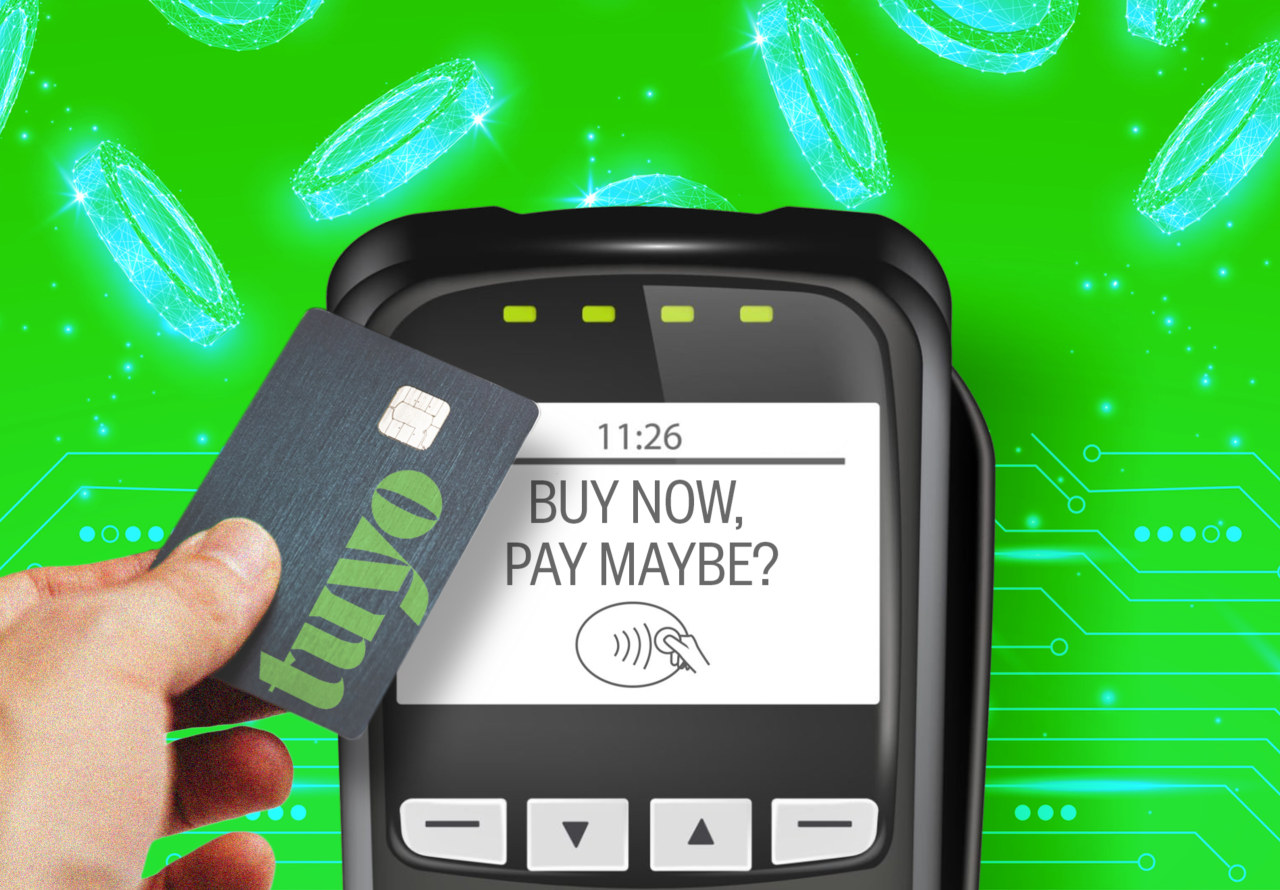
This new ‘buy-now-pay-maybe’ crypto card may refund some of your purchases — but at what cost?
Critics say new payment model shows gambling culture has hijacked everyday spending
Editorial perspective
AI-assisted
Introducing randomized payment outcomes to consumer transactions represents a troubling evolution in behavioral finance. By transforming routine purchases into gambling opportunities, crypto payment cards exploit the same psychological triggers that make slot machines addictive—variable reward schedules that release dopamine and encourage compulsive behavior. This matters because it erodes the fundamental relationship between spending and accountability that underpins sound personal finance.
The gamification trend reflects broader concerns about fintech innovation prioritizing user engagement over financial wellness. When payment mechanisms incorporate chance rather than certainty, they obscure true costs and undermine budget discipline. For markets, this raises questions about consumer credit quality and systemic risk if such products gain traction. Regulators face a dilemma: these instruments may technically fall outside gambling frameworks while posing similar harms. The proliferation of casino mechanics in everyday transactions could normalize financially destructive behaviors, particularly among younger consumers already prone to impulsive spending.
Originally reported by Genna Contino
for MarketWatch
Processing your unsubscribe…
Hang on a moment.
You've been unsubscribed.
You won't receive any more marketing messages from BlastiqTest3422. Updates take effect within 24 hours.
That link has expired.
The unsubscribe link is no longer valid. You can opt out manually instead.
Editorial perspective
AI-assistedIntroducing randomized payment outcomes to consumer transactions represents a troubling evolution in behavioral finance. By transforming routine purchases into gambling opportunities, crypto payment cards exploit the same psychological triggers that make slot machines addictive—variable reward schedules that release dopamine and encourage compulsive behavior. This matters because it erodes the fundamental relationship between spending and accountability that underpins sound personal finance.
The gamification trend reflects broader concerns about fintech innovation prioritizing user engagement over financial wellness. When payment mechanisms incorporate chance rather than certainty, they obscure true costs and undermine budget discipline. For markets, this raises questions about consumer credit quality and systemic risk if such products gain traction. Regulators face a dilemma: these instruments may technically fall outside gambling frameworks while posing similar harms. The proliferation of casino mechanics in everyday transactions could normalize financially destructive behaviors, particularly among younger consumers already prone to impulsive spending.